

Decision-Making and Problem-Solving in Mediation: A Complete Guide
Mediation can be described as a process whereby parties are able to reconcile with each other by making a mutual decision through communication and understanding. For mediation to take place effectively, parties have to be in a position to make well-informed decisions, solve problems practically and positively. In mediation, the mediator is supposed to facilitate these activities by enabling parties to understand and evaluate the different options at hand. Parties will also be able to decide on which solutions will meet their interests best. It is for this reason that the different methods of decision-making and problem-solving are vital tools in mediation.
The final aim of mediation is not just to resolve the conflict but rather to come up with a positive decision that meets the needs of all the parties.
Decision-Making in Mediation
Decision-making is the process whereby the parties review the possible solutions and decide on the best way of solving their conflict. In mediation, decision-making lies solely in the hands of the parties. The mediator does not make the decision, but rather helps the parties understand the situation and make good decisions.
Good decision-making is vital since it allows the parties to make decisions that are viable and acceptable to everyone. Good decision-making ensures high level of satisfaction and thus the chances of the agreement being implemented increase.
Decision-Making Strategies
Gathering Information
In order to be able to make decisions, it is imperative that the parties understand all the details about the case at hand. Good gathering of information ensures there are no misunderstandings.
The mediator helps the parties gather information necessary for the process.
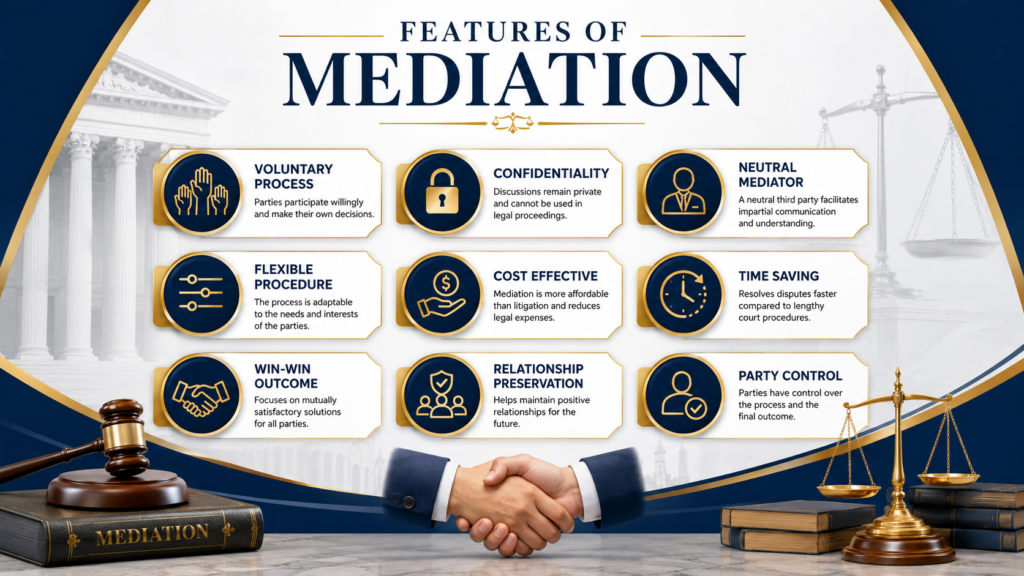
Identifying Interests and Needs
In order to make effective decisions, people need to be aware not only of their interests but also of the interests of others. Most of the conflicts persist because people are too concerned about their position instead of addressing their needs.
When parties identify their interests and concerns, they can come up with solutions which will satisfy both parties and be beneficial for them.
Generation of Several Options
Decision-making is always associated with the consideration of different alternatives, not just one option. Mediator makes sure that parties generate different solutions for solving their conflict.
Different alternatives give more flexibility to the process and increase its probability of success.
Evaluation of Alternatives
After different alternatives are generated, people start evaluating their pros and cons. Parties consider the issues like practicality, justice, costs, consequences and feasibility of options.
During this process people try to select those solutions which will best meet their interests and needs.
Consensus Building
Consensus building is a technique of decision-making in mediation process. It means that people do not impose any solutions on each other but build consensus instead.
Problem-Solving Tactics in Mediation
Problem-solving is the process of identifying the causes of conflict and developing strategies to resolve them. Effective problem-solving focuses on cooperation rather than blame and seeks solutions that benefit all parties.
Identification of the Problem
Once parties have come to a realization that there is a conflict and it needs to be addressed, the next step in problem solving is the identification of the problem itself. In many cases, disputes involve several problems and parties may not be clear about the nature of the issue.
The mediator works on helping the parties to clearly define the problem and identify factors causing the conflict.
Separation of People from the Problem
In order for the negotiation to be successful, parties need to separate people from the problem itself. Personal accusations and emotions often create barriers for the resolution of the dispute.
Through separation of personal matters from the problem itself, the parties can discuss the issue constructively.
Interests over Positions
Often times the parties may find themselves stuck to certain positions and unwilling to compromise, and thus the problem solving process does not move forward.
It becomes easier once the focus is shifted to the needs of the parties involved.
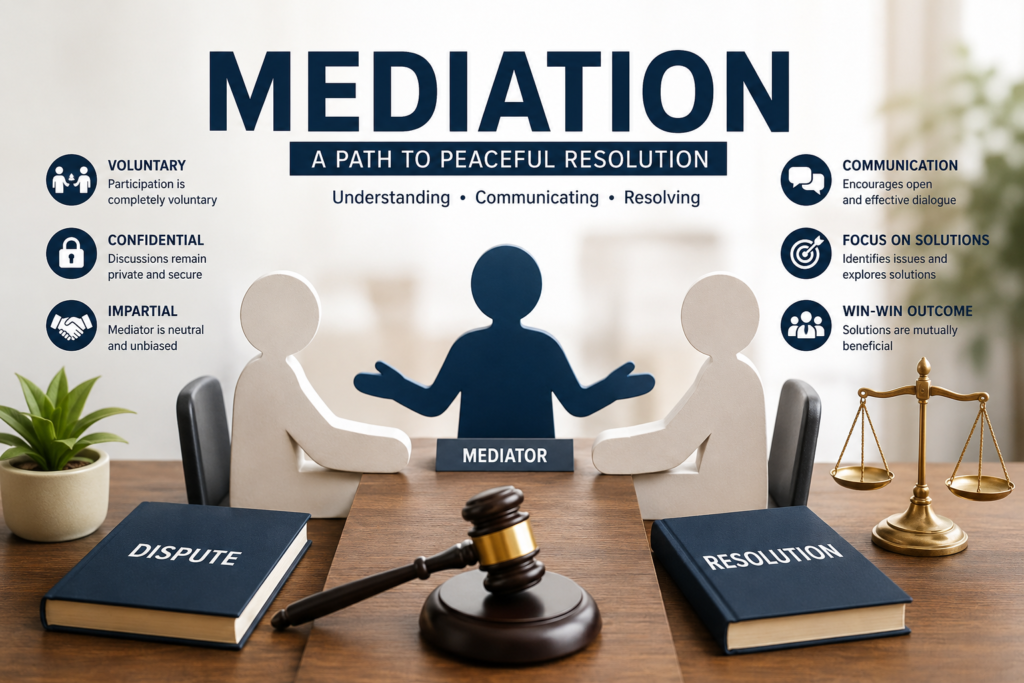
Brainstorming Solutions
Brainstorming involves generation of various solutions without criticizing any of them.
Cooperative Negotiation
In mediation, problem-solving depends on cooperation. Parties involved in the dispute should cooperate and find solutions that will benefit both sides.
Through cooperative negotiations, parties can avoid unnecessary conflicts and achieve positive results from the process.
Encouraging Flexibility
Flexibility is an important factor in any problem-solving process. It means that parties should be ready to listen to different views and change their requirements if necessary.
A flexible attitude creates chances for compromise and allows parties to reach agreements.
Ensuring Positive Outcomes from Mediation.
Positive outcomes in mediation are those that resolve the issue, meet the interest of parties and encourage future cooperation between them. It is the mediator’s responsibility to make sure that the process is going to result in positive outcomes.
Promoting Open Communication
Positive outcomes can be achieved if parties communicate openly and sincerely. Open communication encourages cooperation.
Maintaining Neutrality
It is very important for the mediator to maintain neutrality throughout the process.
Promoting Mutual Respect
Respectful interaction is key to effective mediation. Parties are more prone to work together and achieve an agreement when they show respect to one another.
Seeking Win-Win Agreements
Winning and losing is not the aim of mediation. Win-win agreements ensure satisfaction and lessen the chances of future disputes.
Setting Up a Practical Solution
To have a positive outcome, parties need an agreement which can be put into practice. Unrealistic agreements cause future disputes and non-compliance.
Thus, parties have to make sure that the terms of settlement are realistic, achievable and acceptable to everybody.
Maintaining Relationships
One of the criteria of effective mediation is maintaining relationships. Positive outcome of mediation has to help parties to restore relations and cooperate in the future.
It is especially true of family, work-related, community and business disputes where there are long-term relationships between the parties involved.
Importance of Decision Making and Problem Solving Techniques in Mediation
Decision-making and problem-solving techniques are important because they help parties overcome conflict and concentrate on solutions. These techniques help parties think rationally, cooperate and make decisions.
Qualities and Skills of an Ideal Mediator
A mediator performs a critical function in the process of mediation because he or she ensures effective communication between the disputing parties, understands the issues raised by them and helps them achieve a satisfactory solution. The effectiveness of mediation largely hinges on the competence, behavior, and skills of the mediator. In this regard, since the mediator does not impose decisions on the parties, but merely facilitates communication and cooperation, some qualities and skills are essential to fulfill the role.
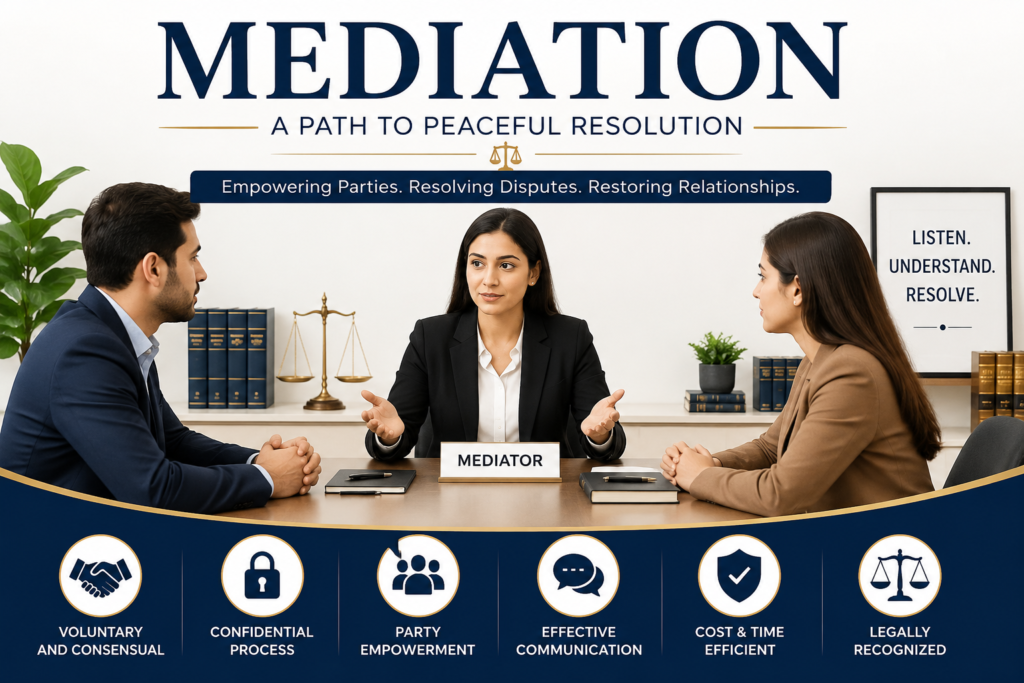
An ideal mediator should be patient, honest, impartial, empathic and have skills like communication, negotiation, problem solving and conflict management.
Effectiveness of mediation largely depends on the mediator’s capacity to build trust, maintain impartiality, foster cooperation, and direct the parties to constructive solutions.
Meaning of an Ideal Mediator
An ideal mediator is a neutral and independent person who helps the disputing parties in reaching an amicable resolution of their dispute through the process of communication and agreement. The mediator is neither a judge nor an arbitrator nor a decision maker.
The mediator merely facilitates discussion, manages conflict and suggests solutions to satisfy the interests of the parties.
Ideal Qualities of a Mediator
Neutrality
One of the key traits of a good mediator is neutrality. It means that a mediator has to be unbiased and refrain from taking sides. All parties should be treated equally by the mediator in order to give everyone an equal chance to voice their opinion.
It is important to maintain neutrality since it fosters trust and confidence in the process of mediation. Otherwise, the effectiveness of mediation could be significantly affected.
Impartiality
Impartiality goes together with neutrality since an impartial mediator does not have any personal stake in the outcome of the case.
Impartiality ensures fairness and facilitates participation of the parties in discussions.
Integrity and Honesty
The mediator has to have high ethical standards when it comes to integrity and honesty. The behavior and professionalism of a mediator should inspire trust in the parties.
Integrity implies ethical behavior, confidentiality and honest performance of one’s duties.
Patience
Since disputes can be characterized by heated feelings and misunderstandings, a mediator needs to have patience and willingness to listen carefully to all parties.
Patience will help the mediator deal with complicated situations and steer discussions patiently and without being frustrated.
Empathy
The term empathy denotes the capacity of the mediator to understand and recognize the emotions of other people. The empathic mediator makes parties to feel that they are recognized.
It is important to note that empathy does not entail supporting one party only but understanding the emotional side of the situation and responding appropriately to it.
Confidentiality
The mediator needs to preserve confidentiality of mediation. Information discussed by the parties in the process of mediation should not be exposed without the consent of the parties.
Confidentiality helps to develop trust between the mediator and the parties in the process of mediation.
Open Mindedness
The mediator needs to have an open mind while conducting the process of mediation. No dispute can be the same, and the mediator should not make assumptions and judgments.
Open mindedness will help the mediator to see the various possibilities in resolving the conflict and the interests of both parties.
Self-control
The mediator should show self-control and emotional stability. In spite of the fact that sometimes the parties may behave emotionally and even aggressively, the mediator should be calm and professional.
Key Skills of a Mediator
Communication Skills
Communication is a key skill for a mediator since he has to maintain open and respectful communication with all parties.
Effective communication helps resolve the issues, minimize misunderstandings, and conduct fruitful negotiations.
Listening Skills
Listening means paying attention to parties’ words and responding accordingly.
An active listener will understand people’s feelings, interests, and needs better.
Negotiation Skills
Mediators need negotiation skills to help parties explore options and reach mutually beneficial agreements.
They facilitate the cooperative process of bargaining.
Problem-Solving Skills
To solve the problems, the mediator has to know how to identify them, analyse their nature, and help parties find reasonable solutions.
Problem-solving skills help the mediator bring about fruitful results from conflicts.
Conflict Management Skills
Mediation usually deals with conflicts and disputes, which means the mediator has to have good conflict management skills.
It helps him handle tensions and prevent conflicts from escalation.
Questioning Skills
Good questioning is one of the vital mediation skills. Good questions allow clarification of issues, discussion and exploration of the interests of parties.
By means of asking good questions the mediator gains necessary information and ensures deep understanding of the dispute.
Observation Skills
The mediator should have the ability to listen not only to words, but also to what people say in another way – by facial expressions, gestures, voice intonations and behavior.
By using observation skills the mediator understands the dynamics of the dispute and acts accordingly.
Analytical Skills
Analytical skills allow the mediator to understand complicated problems, discover regularities and analyze various solutions to disputes.
It is important that the mediator can analyze objective information and help the parties to estimate advantages and disadvantages of various solutions.
Decision-Facilitation Skills
Even though mediators do not make any decisions for the parties, they facilitate this process by analyzing alternatives and consequences for the parties.
These skills help the parties to make rational decisions.
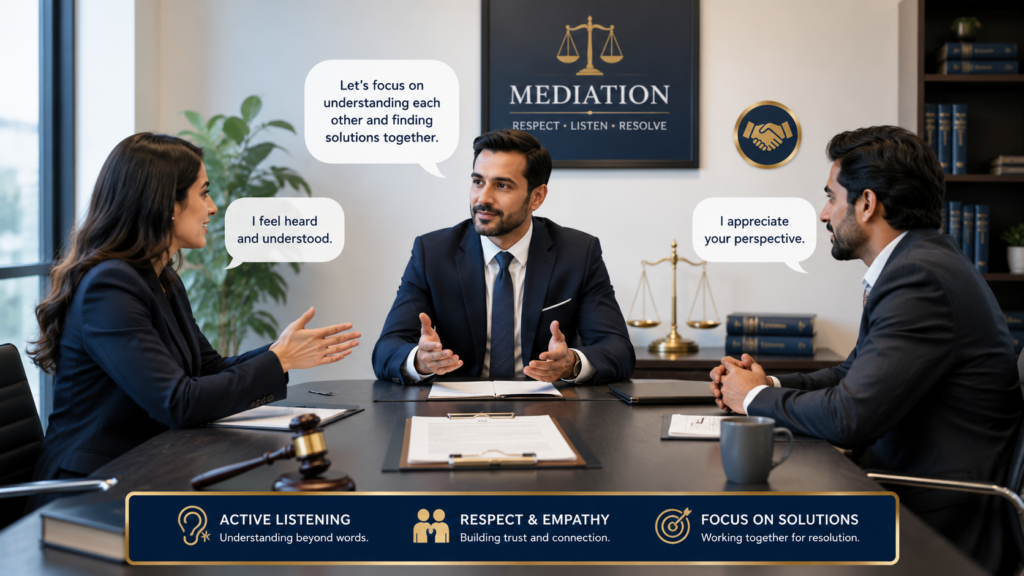
Relationship-Building Skills
Effective mediator helps to build trust and cooperation between parties. Relationship-building skills contribute to positive interaction.
Code of Ethics for Mediators and Confidentiality Requirements
Mediation revolves around issues like trust, impartiality, voluntariness, neutrality and fairness. In order for the mediation process to be effective, the mediators have to adhere to certain ethics and professional principles. These principles are commonly referred to as the Code of Ethics for Mediators. This code outlines what mediators are supposed to do in terms of their responsibilities, behavior and conduct.
One of the core aspects of mediation is confidentiality. Parties involved tend to disclose very sensitive and confidential information concerning either themselves or others. This makes it crucial for mediators to maintain confidentiality since this will make them establish a trustworthy relationship and encourage communication.
Code of Ethics for Mediators Definition
Code of Ethics for Mediators refers to principles and professional guidelines that govern the conduct of mediators in the course of mediating disputes. These ethical principles help mediators maintain public confidence and also safeguard the interests of all parties involved.
These ethical principles demand mediators to be honest, neutral, competent and professional in the course of mediation.
Goals of the Code of Ethics
First, the Code of Ethics is meant to ensure fairness, transparency, and credibility in the mediation process. It ensures that the mediation process remains intact.
The other goals include:
To protect the interest of the parties.
To provide impartial and fair mediation.
To enhance professional standards.
To preserve confidentiality.
To encourage voluntary participation.
To uphold public confidence in mediation.
Ethical Principles for Mediators
Neutrality
A mediator should maintain neutrality during mediation. Neutrality entails that the mediator does not have any bias towards any party or one side of the dispute.
It is not within the role of a mediator to decide which side is right and which side is wrong. Maintaining neutrality makes sure that the parties involved can build trust and confidence.
Impartiality
Impartiality means that mediators should treat each party equally. Neither personal views, opinions, biases nor any personal interest should affect the conduct of a mediator.
In case some situation appears during mediation that might affect impartiality, the mediator should inform about them and possibly stop mediating the conflict.
Integrity
Integrity requires mediators to act honestly and ethically. The mediator should mediate the dispute in good faith and should avoid actions which can jeopardize confidence in mediation.
Integrity and honesty are critical for the credibility of mediation.
Competence
Mediators should have appropriate knowledge, skills, training, and experience to be able to mediate a dispute effectively.
Competence also means the mediator’s ability to apply mediation techniques, communication skills, negotiation skills and act ethically.
Procedural Fairness
The mediator must strive to ensure that the entire process of mediation is fair to everyone involved. All individuals must have an equal chance to voice their opinions, share their concerns, and engage in conversations.
Being fair increases chances of a successful outcome.
Avoiding the Conflict of Interest
Mediators must try to avoid any situation in which their private, financial, professional, or personal interest might affect the process of mediation negatively.
When there is a conflict of interest, it should be revealed to the parties in advance.
Professionalism
A mediator must behave professionally. He/she must be respectful, polite, patient, punctual, and ethical.
Requirements for Confidentiality in Mediation
Definition of Confidentiality
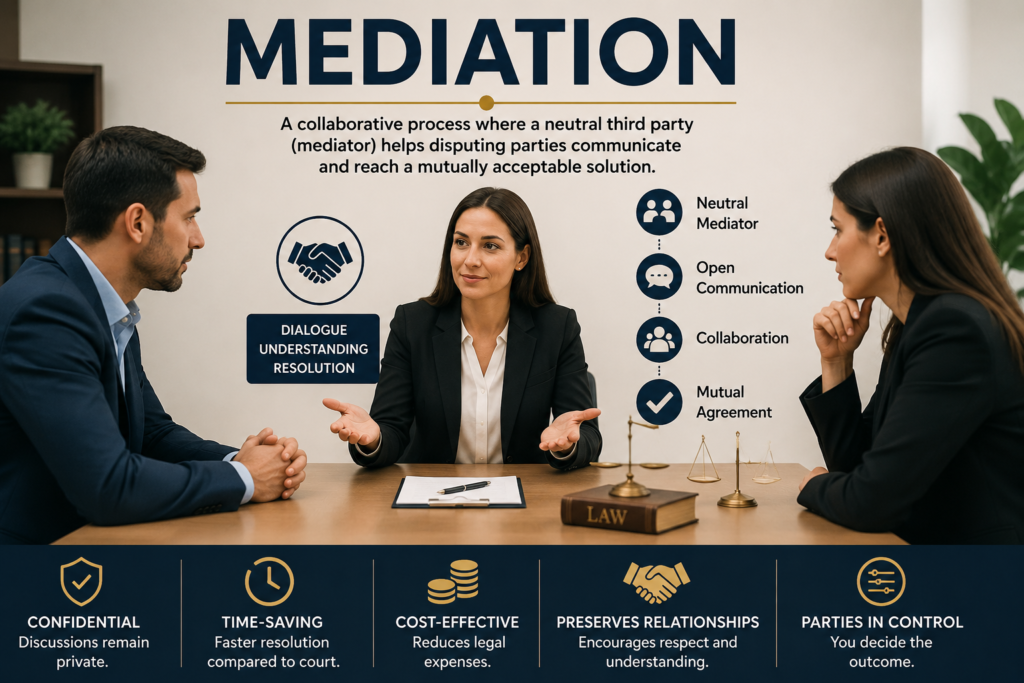
Confidentiality implies that any information disclosed in the process of mediation remains confidential and cannot be disclosed to third parties without permission from the parties involved.
Confidentiality is one of the key aspects of mediation since it encourages free and sincere communication.
The discussion of the dispute usually involves many delicate issues that should not be revealed to anyone. The parties have to be sure that no statement, suggestion, or disclosure made by them during the process can be misused or publicly disclosed.
Importance of Confidentiality
Encourages Free Communication
Confidentiality gives an opportunity to make free statements without a fear that they can be used against the parties in the future. It allows identifying the actual reasons of the conflict and makes the dialogue effective.
Builds Trust
Trust is very important for successful mediation. The parties will participate in the process sincerely only when they are aware that all their conversations will remain confidential.
Confidentiality builds confidence in the mediator and in the mediation itself.
Safeguards Privacy
Most of the disputes concern either personal or business matters.
Encourages Settlement
The parties become more open-minded about possible settlement options knowing that the failed attempt will be treated in a confidential manner.
Safeguarding the Relationship
The parties do not have to be afraid of being embarrassed or criticized publicly; therefore, confidentiality helps to restore the relationship between the parties.
Obligations of the Mediator to Maintain Confidentiality
The mediator is obligated to maintain confidentiality through the entire process and after the end of the mediation.
The mediator must:
• Maintain the confidentiality of all information provided by the parties in the course of mediation.
• Avoid sharing any discussion with third parties without consent.
• Maintain the confidentiality of documents and records of the mediation process.
• Continue to maintain confidentiality in private sessions (caucuses) unless there is an authorization to share information.
• Not use information received in the process of mediation for own interests.
Exceptions to Confidentiality
Even though confidentiality is one of the key principles, there are cases where disclosing information might be necessary. They include:
Agreement of All the Parties Involved
Information can be shared if all the involved parties agree to the disclosure of information.
Legal Obligation
Information can be disclosed for legal reasons or upon a court order.Preventing Harm
Information can be shared if the disclosure is necessary to prevent harm, crimes, or threats to life and safety.
Professional Misconduct Cases
There are times when information needs to be shared in the context of professional misconduct.
The above mentioned exceptions are limited.
Relationship between Ethics and Confidentiality
Ethics and confidentiality are highly related concepts. Confidentiality is not only a procedural issue, but also an ethical one. The violation of confidentiality by a mediator leads to the loss of trust, integrity breach, and unethical actions.
On the other hand, the principles of neutrality, impartiality, integrity, and competence guarantee that the confidentiality is maintained correctly and facilitate mediation.
Status of Mediated Agreements – Drafting of Agreements and Sanctity of Mediated Agreements
The main purpose of mediation is to assist the conflicting parties in arriving at an agreeable solution. In case both the parties manage to resolve their disputes with the help of mediation, then the terms of such an agreement are documented in a written document referred to as Mediated Agreement/ Settlement Agreement.
A mediated agreement is important because it converts negotiation and discussion into an enforceable agreement. As the agreement is prepared by the parties themselves and not by any third party like courts or arbitrators, the acceptability level of this agreement is quite high. The success of mediation depends upon proper drafting of agreement and sanctity of the agreement.
Meaning of Mediated Agreement
Mediated Agreement is a written agreement between the parties reached after mediation process assisted by a mediator. The terms of this agreement are those that have been mutually agreed by the parties to resolve their dispute.
The agreement contains all the terms relating to rights, obligations and responsibilities of the parties. It represents the final outcome of the mediation process and serves as evidence of the settlement reached between the parties.
Since the agreement is based on mutual consent, it reflects the interests and needs of the parties rather than an externally imposed decision.
Mediated Agreement Drafting
What is Drafting?
Drafting is defined as the process of writing down the agreement in a clear and legally comprehensible manner. Drafting is extremely important since it ensures the proper reflection of the intentions of the parties in the document and eliminates future conflicts.
The mediator can help in drafting the agreement; however, the resulting agreement should be the voluntary understanding of the parties.
Principles for Drafting Mediated Agreements
Clearness and Accuracy
The agreement should be written in clear and accurate language. Vague terms should be excluded since they may cause future misunderstandings and disputes.
Every obligation and commitment should be clearly set out in the agreement in order to allow the parties to understand their responsibilities and rights.
Mutual Consent
A mediated agreement should be made on the voluntary consent of the parties. Each term of the agreement should reflect the free and genuine consent of the parties.
No clause should be put into the agreement through force, coercion, deception or undue influence.
Completeness
All questions discussed and decided in mediation shall be included in the agreement. There must be no omissions in the agreement concerning important issues.
An exhaustive agreement will minimize the risk of any future disputes and misunderstandings.
Clarity
It is necessary to define specifically the obligations of each party. In other words, the agreement needs to state who will perform what actions, and under which conditions.
Clear obligations will facilitate the implementation of the settlement.
Feasibility
The terms of the agreement have to be realistic and feasible. Otherwise, any unrealistic promises and obligations might cause future problems and disputes.
All the commitments must be reasonable.
Legal Validity
The agreement has to conform with all relevant legal norms and public policy. The settlement reached through mediation cannot include any illegal, unlawful, or unreasonable terms.
Legal validity is crucial for the enforceability of the agreement.
Confidentiality
The agreement may contain confidentiality clauses where needed.
Contents of a Mediated Agreement
A good mediated agreement usually includes:
Identification of Parties
This agreement must have the name and other details of the parties in the dispute.
Background of the Dispute
There can be a brief statement on the dispute and the reasons for mediation.
Terms of Settlement
This agreement must include the terms of the settlement made by the parties.
Time for Compliance of Obligations
When necessary, there must be an indication about the period within which the obligations will be complied with.
Conduct of Parties in Future
When necessary, there may be clauses related to future conduct of the parties in the agreement.
Signatures
This agreement must be signed by the parties showing their consent. The mediator too may sign the agreement if needed.
Sanctity of Mediated Agreements
Sanctity of mediated agreement can be defined as the respect, seriousness and binding nature of an agreement voluntarily entered into by the parties in mediation process. The sanctity is due to the fact that the agreement is a product of consensus and cooperation and therefore of great importance both morally and legally.
Importance of the Sanctity of Mediated Agreement
Shows Freedom of Participation and Mutual Understanding
The mediated agreement has been arrived at after voluntarily participating in the process and therefore it is necessary to honor the agreements.
Encourages Compliance
People will be more compliant to those agreements which they have willingly negotiated and therefore honored the sanctity.
Preserves the Trust of the Settlement Process
For the success of the settlement process, it is important that there is trust between the parties. And respecting the mediated agreements enhances the trust on the process.
Brings about Finality of Disputes
Mediated agreements help in bringing disputes to a finality peacefully and therefore honoring the sanctity avoids unnecessary reopening of disputes.
Promotes Future Use of Mediation
When mediated settlements are honoured and executed, people are more likely to use mediation in their future dispute resolution.
It helps in development and acceptance of the ADR procedures.
Legal Position of Mediated Settlements
Mediated settlement is generally viewed as a valid settlement since it is made through mutual consent of the
parties after signing and acceptance of the settlement, the parties should honour it.
Mediated settlements can be enforced legally depending upon the jurisdiction but the main strength of the mediated settlements lies in voluntary compliance and mutual commitment instead of enforcement.
The validity of the agreement is based on the consent and the process of mediation which was fair.
Factors That Affect Validity of Mediated Settlements
There are certain factors that can affect the sanctity of the mediated settlements such as:
• Fraudulent misrepresentation.
• Force or undue influence.
• No free consent.
• Confusion about the terms of settlement.
• Illegal provisions.
• Understanding of the agreement.
Sanctity of the agreement can only be maintained through fairness and voluntariness.